Cessna Nose Gear Strut Assembly: Aircraft Ground Handling and Structural Component
Cessna Nose Gear Strut Assembly: Aircraft Ground Handling and Structural Component
Blog Article
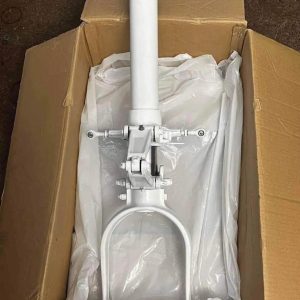
The Cessna Nose Gear Strut Assembly should be selected only after confirming the aircraft model, serial-number range, mounting arrangement, dimensions, included hardware, inspection history, and technical documentation.
Accurate use of these keywords improves search relevance without implying universal compatibility across the Cessna product line.
The Aircraft Nose Gear Strut must maintain suitable alignment, movement, sealing, structural integrity, and connection with surrounding components.
A Cessna Nose Wheel Strut must maintain appropriate geometry and movement for predictable ground handling.
Accurate product information supports check here responsible purchasing and reduces installation delays.
Reviewing the Cessna Front Gear Configuration
The seller should provide clear photographs of the cylinder, piston, fork, steering features, mounting points, torque links, hardware, and identification markings.
Missing components can significantly affect total project cost and installation planning.
Managing Taxi and Landing Forces
Actual load distribution depends on aircraft weight, center of gravity, tire pressure, landing technique, surface condition, and aircraft configuration.
Repeated hard landings, runway excursions, towing incidents, shimmy, improper servicing, corrosion, and maintenance errors can affect both the strut and nearby structure.
Managing Landing and Taxi Impacts
A shock strut is designed to compress and extend in a controlled manner as the aircraft encounters landing and ground loads.
Servicing values should come from applicable maintenance information rather than estimates based on another Cessna model.
Inspecting Steering Links and Torque Components
The nose gear may interact with the aircraft steering system through collars, torque links, rods, springs, cables, stops, bushings, or other model-specific mechanisms.
Towing procedures should respect the aircraft’s steering limitations.
Aircraft Model and Serial-Range Compatibility
Two aircraft with similar outward appearance may use different struts, forks, cylinders, steering features, hardware, or mounting arrangements.
The donor aircraft may provide useful history but does not independently establish eligibility for another aircraft.
Evaluating the Cessna Nose Strut Body
Detailed inspection supports reliable Aircraft Nose Gear Strut evaluation.
Qualified inspection protects the long-term value of the Cessna Landing Gear Strut.
Understanding Strut Seal Maintenance
Fluid leakage around the piston, seals, fittings, plugs, or servicing points can indicate deteriorated seals, damaged surfaces, loose components, contamination, or incorrect assembly.
Any internal maintenance should be documented with parts and procedures used.
Evaluating Coastal and Outdoor Storage Damage
Surface discoloration should be evaluated rather than dismissed automatically as cosmetic.
Responsible preservation helps maintain the Cessna Nose Gear Assembly.
Evaluating a Used Cessna Nose Gear
High-stress areas can include attachment points, fork transitions, axle regions, steering features, torque-link mounts, and previous repair locations.
Hard landings, runway excursions, tow-bar incidents, shimmy, collapsed tires, obstacle contact, and freight damage can affect the nose gear even when external deformation appears minor.
Understanding Included Landing Gear Components
A complete strut listing should state whether the fork, axle, spacers, wheel, bearings, tire, and hardware are included.
Wheel bearings, seals, spacers, and retaining hardware should be evaluated separately rather than assumed serviceable because they are attached to the assembly.
Maintaining Strut Alignment
Dimensional inspection supports a durable repair.
Improperly installed bushings, unsuitable bolts, missing washers, or altered holes can affect steering and strut movement.
Reducing Repetitive Landing Gear Wear
Nose-wheel shimmy can result from worn bushings, loose torque links, tire imbalance, wheel-bearing play, incorrect tire pressure, steering looseness, alignment issues, or structural wear.
Uneven tire wear can indicate alignment concerns, fork distortion, bearing issues, incorrect pressure, steering problems, or repeated side loading.
Servicing the Cessna Shock Strut
Shock-strut servicing should follow the exact aircraft maintenance procedure for fluid type, quantity, pressure, extension, loading condition, and safety precautions.
Pressurized components require suitable precautions because uncontrolled release can cause injury or damage.
Documenting Landing Gear Repair Work
Parts replaced, measurements taken, defects found, and repairs completed should be documented.
Some components may be repairable while others require replacement.
Buying a Cessna Nose Gear Strut Assembly
A pre-purchase review should confirm the exact part number, configuration, aircraft applicability, serial markings, dimensions, included components, removal reason, condition, repair history, and documentation.
- Determine whether the wheel, tire, bearings, spacers, steering links, hardware, servicing fittings, records, and release documents are included.
- Review the history for hard landings, runway excursions, towing incidents, shimmy, tire failure, overload, storage exposure, freight damage, and structural repair.
- Require packaging that supports the strut and protects the piston surface, cylinder, fork, axle, steering components, fittings, identification markings, records, and loose hardware from impact, corrosion, and movement.
Protecting the Landing Gear Strut in Transit
The chrome or polished piston area should receive protective wrapping that prevents impact and contamination without trapping moisture.
The component should remain immobilized so it cannot roll, slide, or strike the container during transportation.
Preparing a Stored Assembly for Service
The assembly should not rest directly on delicate fittings, the axle threads, polished surfaces, or unstable supports.
Preservation materials should be removed through appropriate procedures.
Preparing for Ground-Handling Checks
The technician should verify the part number, aircraft applicability, mounting points, dimensions, hardware, steering links, torque components, wheel fork, axle, and servicing requirements.
Hoses, wiring, fairings, controls, and nearby components should maintain suitable clearance through the steering and compression ranges.
A ground check should not replace required maintenance inspection or technical documentation.
Protecting Long-Term Ground Handling Reliability
Routine maintenance should include inspection of the piston, cylinder, seals, fluid leakage, extension, fork, axle, wheel, tire, bearings, torque links, steering parts, fasteners, and mounting structure.
Pilots and operators should report steering changes, unusual compression, leakage, vibration, or tire wear promptly.
Landing Gear Ownership and Installation Costs
Honest product information strengthens buyer confidence and reduces disputes.
Total project cost may include the purchase price, freight, inspection, seals, bushings, bearings, hardware, wheel or tire components, overhaul labor, servicing, alignment, installation, and documentation.
Final Thoughts on the Cessna Nose Landing Gear Strut
For a properly matched Cessna aircraft, the assembly can support dependable ground handling when professionally inspected, serviced, installed, and maintained.
The unit should not be judged solely through clean paint, smooth compression, removed-serviceable wording, or purchase price.
Whether maintenance teams are sourcing a Cessna Steering Strut Assembly, Cessna Replacement Nose Gear, or General Aviation Landing Gear Parts, professional inspection and installation should precede operational use.
With verified identity, suitable structural condition, correct aircraft applicability, professional servicing, disciplined installation, and routine inspection, the assembly can provide dependable long-term value.
Report this page